
Missing several teeth changes more than the appearance of a smile; it can affect chewing, speech, and even the shape of the face over time, as the jawbone and surrounding muscles adjust to the gap left behind. Dentures in Lansdale, PA remain one of the most proven and affordable ways to replace missing teeth and restore day-to-day function, whether the goal is replacing a full arch or just a few teeth.
Choosing between dentures, dental implants, and other tooth-replacement options ultimately comes down to individual needs, budget, and long-term goals, and for many people, dentures offer a faster and more cost-effective path back to a complete, functional smile.
Knowing the different types of dentures available, and how each one fits into a broader tooth-replacement plan, can make that decision easier to navigate.
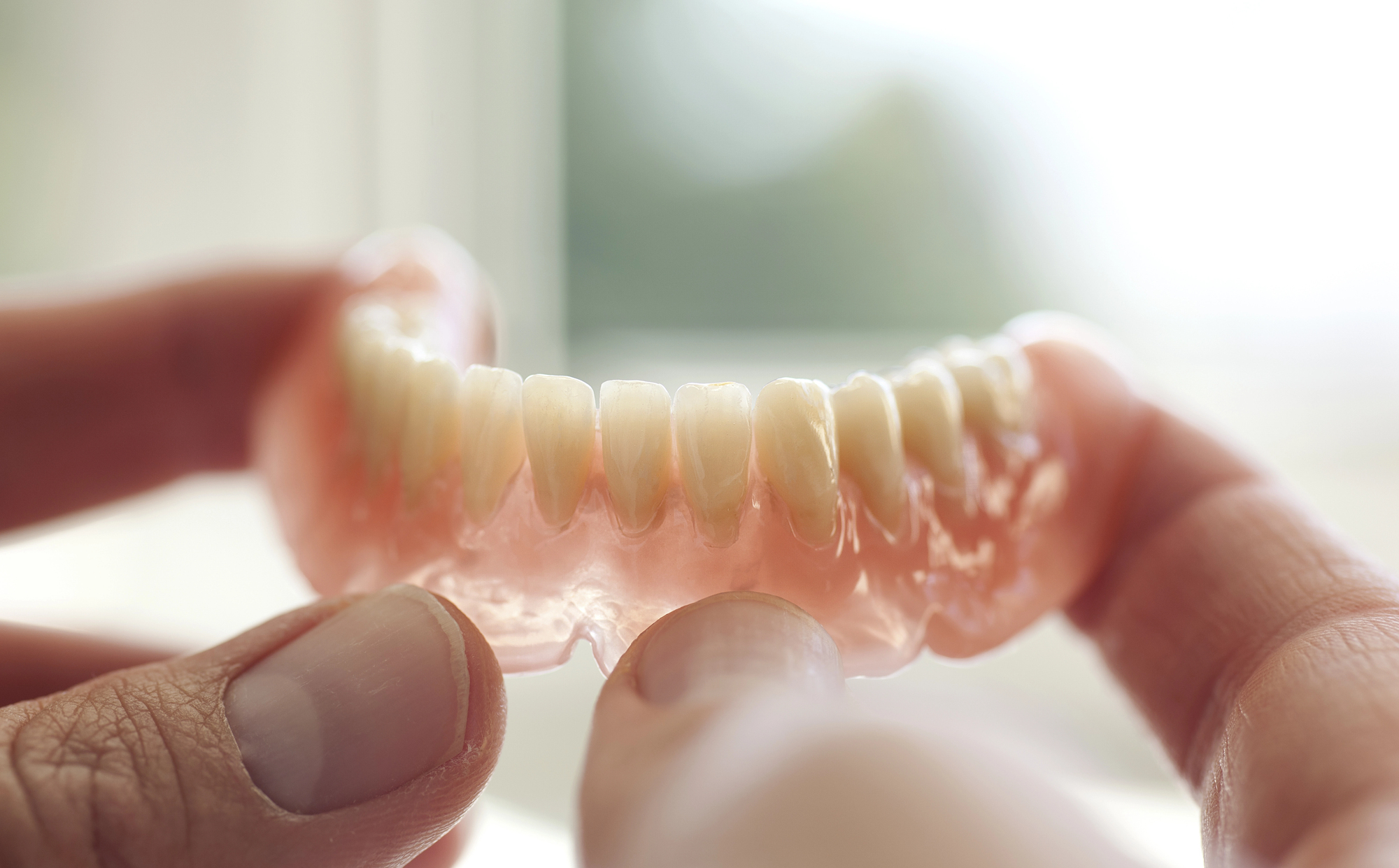
Types of Dentures Available
Not all dentures are the same, and the right type depends largely on how many teeth you're missing and the condition of your remaining teeth and gums.
- Full dentures replace an entire upper or lower arch
- Partial dentures fill gaps while remaining natural teeth stay in place
- Immediate dentures are placed the same day as extractions
- Implant-supported dentures snap onto implants for extra stability
Are Dentures Right for You?
Dentures tend to work well for patients who have lost most or all of their teeth in an arch, especially when a full set of implants isn't in the budget or medically appropriate. Modern dentures are designed to look far more natural than older versions, with shapes and shading chosen to match your face and remaining teeth.
Cost, maintenance, and how much stability you want when eating or speaking are all worth weighing carefully before deciding between dentures and other replacement options.
Getting Used to New Dentures
The first few weeks with new dentures usually involve an adjustment period, and it's normal for speech and chewing to feel different at first. A follow-up dental exam is typically scheduled soon after placement to check the fit, since minor adjustments in the first month are common and expected as the mouth adapts to the new appliance.
A few habits can help speed up the transition:
- Start with soft foods. Applesauce, mashed potatoes, scrambled eggs, and soup put less pressure on the gums while chewing muscles adjust. Foods can be gradually reintroduced as confidence builds.
- Cut food into smaller pieces. Chewing on both sides of the mouth at once, rather than biting directly with the front teeth, helps keep dentures stable and evenly distributes pressure.
- Practice speaking out loud. Reading aloud at home, even for just a few minutes a day, helps the tongue and cheek muscles relearn how to form words with the dentures in place. Speech usually smooths out within a couple of weeks.
- Use adhesive sparingly, if at all. Well-fitted dentures generally shouldn't require much adhesive to stay in place. Needing a large amount regularly can be a sign that an adjustment is needed.
Denture Care Tips
Taking care of dentures at home is only part of the equation. Keeping up with professional cleanings and checkups helps your dentist catch fit issues or gum irritation early. A consistent daily routine keeps dentures comfortable and helps them last as long as possible:
- Remove and rinse dentures after eating
- Brush dentures daily with a non-abrasive cleaner
- Soak dentures overnight in a proper solution
- Keep up with regular checkups to monitor fit

Find Out if Dentures in Lansdale, PA Are Right for You
Whether you're missing a few teeth or need a full replacement, our team can walk you through your options in detail. Schedule a consultation with our Lansdale office, and we'll help you find the right fit for your smile and your budget!