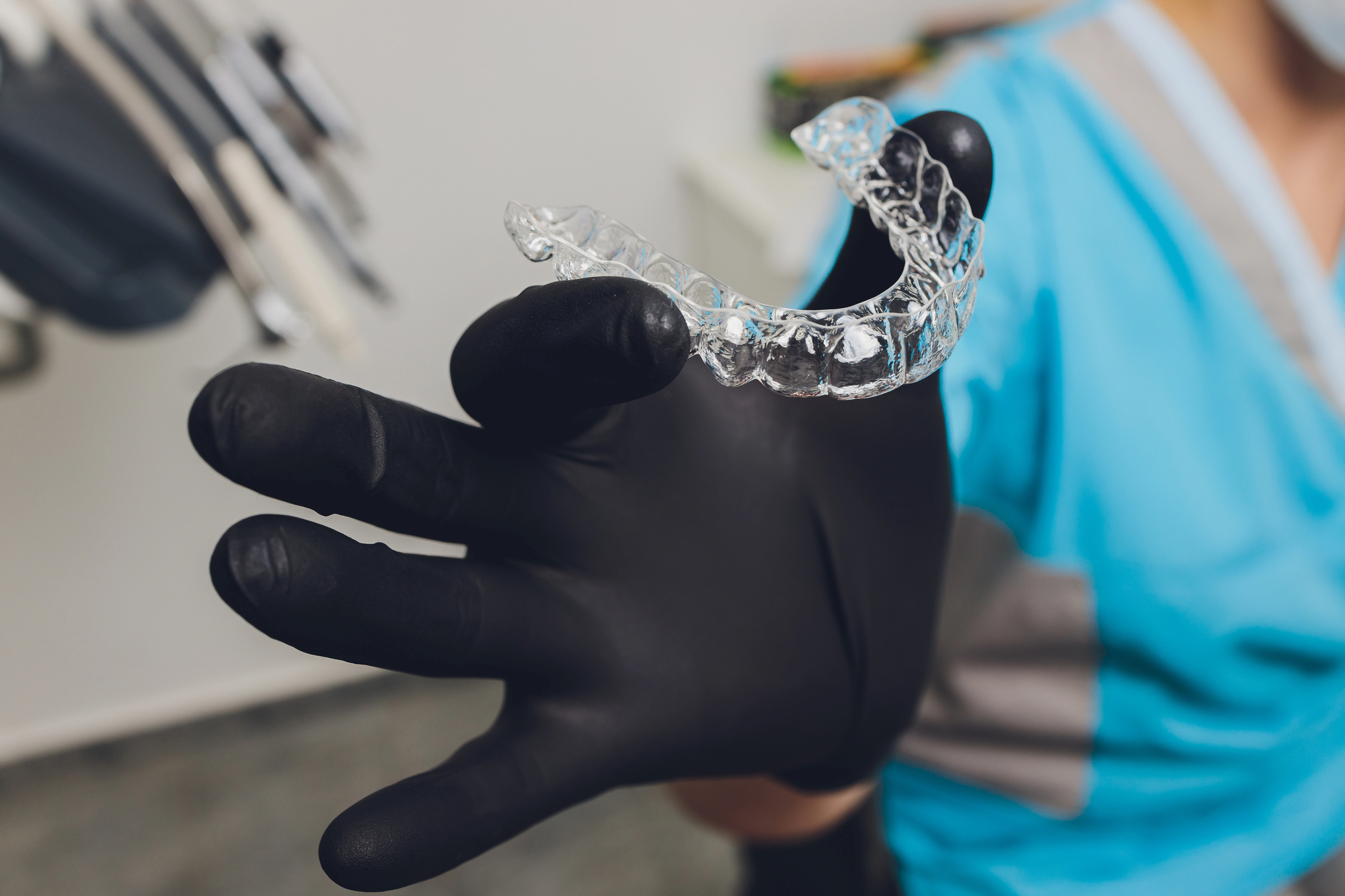
Straightening your teeth no longer means committing to a mouth full of metal. Invisalign in Lansdale, PA, has become one of the most popular alternatives to traditional braces, using a series of clear, removable aligners to gradually shift teeth into place.
Unlike fixed braces, clear aligners can be taken out for eating, brushing, and special occasions, which is part of why they've become a go-to option for image-conscious teens and adults.
So how exactly do Invisalign® aligners move teeth without brackets or wires? Understanding the science behind clear aligner treatment, from the materials used to the way each tray applies controlled pressure, can help you know what to expect at every stage of the process.

How Invisalign Straightens Teeth
Instead of fixed brackets, Invisalign uses a series of custom, clear plastic aligners that gradually shift teeth into place.
Each set is worn for about one to two weeks before moving to the next in the series, with small adjustments building toward your final result over the course of treatment. Most full treatment plans run between six months and two years, depending on how much movement your teeth need, and your dentist gives you a personalized estimate at your consultation.
Who Is a Good Candidate for Invisalign
- Patients with mild to moderate crowding or spacing issues
- Teens and adults looking for a discreet option
- Patients who want removable aligners for eating and cleaning
- Those without a history of major bite complications
Patients with more complex bite issues aren't necessarily ruled out, but they may need a longer treatment plan or a combination of approaches.
Comparing Invisalign to Traditional Braces
While both options can produce excellent results, they work very differently day to day, and the right choice often comes down to lifestyle as much as orthodontic need.
Visibility and Appearance
Traditional braces use metal or ceramic brackets bonded to each tooth and connected by wires, making them clearly visible when you smile or talk. Clear aligners are nearly transparent and fit snugly over the teeth, which is why so many patients, especially image-conscious teens and adults, gravitate toward them.
Removability and Lifestyle
Braces are fixed in place for the entire course of treatment, meaning there are no restrictions to worry about beyond avoiding certain foods. Aligners, on the other hand, can be taken out for eating, brushing, and flossing, which makes oral hygiene simpler but also puts more responsibility on the patient.
Comfort and Maintenance
Metal brackets and wires can irritate the cheeks and lips, especially after adjustments, and require regular tightening appointments. Aligners are made of smooth plastic and involve fewer in-office visits, though each new tray in the series can bring a few days of mild pressure as teeth shift.
Treatment Time
Depending on the complexity of the case, both options can range anywhere from several months to a few years. Aligner treatment is sometimes faster for minor corrections, but inconsistent wear can extend the timeline significantly.
How to Care for Aligners and Your Smile
Because aligners are removable, you'll need to build a few new habits, like taking them out before meals and rinsing them regularly. Routine teeth cleanings remain just as important during Invisalign treatment, since plaque can still build up underneath the aligners if oral hygiene slips.
It's also worth avoiding hot beverages while wearing your aligners, since heat can warp the plastic and affect how well it fits.

Talk to Our Team About Invisalign in Lansdale, PA
If you're curious whether Invisalign could work for your smile, the best next step is a conversation with our team. Contact our office to schedule a consultation, and we'll help you decide whether clear aligners or another orthodontic option makes the most sense for you.
*Invisalign®, the Invisalign logo, and iTero®, among others, are trademarks and/ or service marks of Align Technology, Inc. or one of its subsidiaries or affiliated companies and may be registered in the U.S. and/or other countries.