
Brushing and flossing at home only get you so far. Even with a solid routine, plaque hardens into tartar in spots a toothbrush just can't reach, and once that happens, no amount of home care can remove it.
A professional teeth cleaning in Lansdale, PA, paired with a dental exam can clear away all bacteria while giving a dentist the chance to spot issues before they cause pain. Understanding what actually happens during a cleaning and why each step matters can make the visit feel a lot less mysterious.

Why Professional Cleanings Matter
Plaque is a sticky film of bacteria that forms on your teeth every day, and if it isn't removed, it hardens into tartar that only a dental hygienist can safely remove. Left in place, that buildup can lead to gum disease, bad breath, and eventually tooth loss if it goes unaddressed for long enough.
Cleanings also give dentists a chance to spot problems while they're still small and easy to treat. Skipping cleanings for a year or more often means the next visit takes longer and involves more scraping to remove built-up tartar.
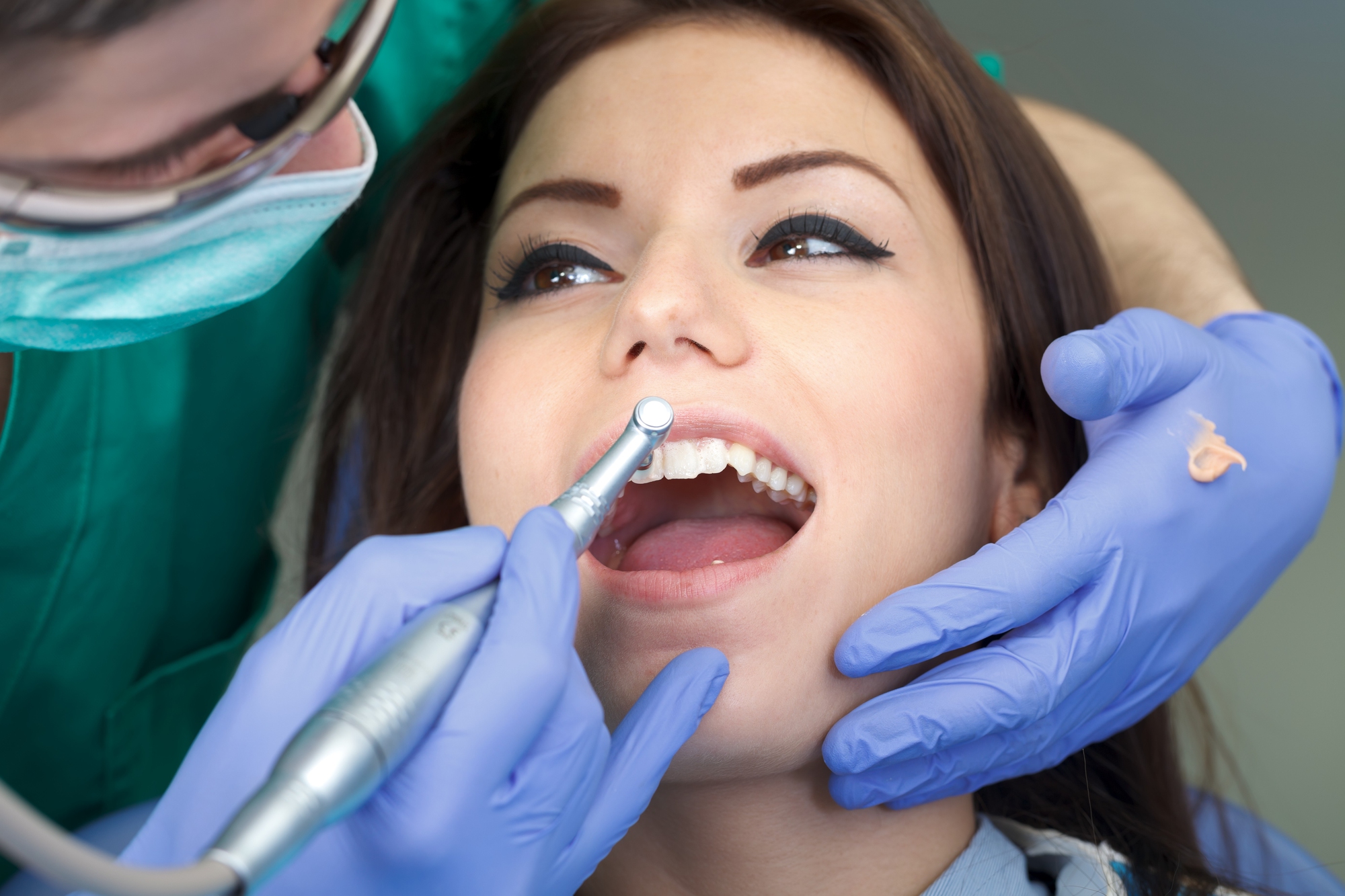
What a Cleaning Appointment Involves
- Removal of plaque and tartar above and below the gumline
- Polishing to remove surface stains
- A check of your gums for early signs of disease
- Flossing to catch anything missed between teeth
Most appointments take between 30 and 60 minutes from start to finish.
How Often You Should Get One
Most patients do well with a cleaning about twice a year, though some circumstances call for more frequent visits. This can include:
- A history of gum disease (gingivitis or periodontitis)
- Frequent plaque or tartar buildup between visits
- Smoking or tobacco use
- Pregnancy, which can increase the risk of gum inflammation
- Diabetes or other conditions that affect gum health
- Dry mouth, whether from medications or other causes
- Dental work like braces, bridges, or implants that require closer monitoring
- A weakened immune system
Sticking to a consistent schedule makes each visit quicker and catches small problems before they become bigger ones. It's also easier to keep tartar buildup under control when visits stay on a regular rhythm rather than being spaced out unpredictably.
Cleanings and Gum Health
Gum disease often develops quietly, without much pain in its early stages. Some redness or occasional bleeding when brushing or flossing can be easy to overlook, but these are often the first signs of gingivitis, plaque-related inflammation along the gumline.
Left unaddressed, gingivitis can progress into periodontitis, a more advanced form of gum disease that affects the bone and tissue holding teeth in place. At that point, damage is no longer fully reversible, and treatment becomes more involved. Left untreated long enough, it can eventually lead to tooth loss that requires replacement options like dentures or implants.
Because gum disease tends to progress gradually and painlessly, routine cleanings serve as one of the most reliable ways to catch it early.
Schedule Your Next Teeth Cleaning in Lansdale, PA
Keeping up with cleanings is one of the simplest ways to protect your smile long term. Contact our office to schedule your next visit!