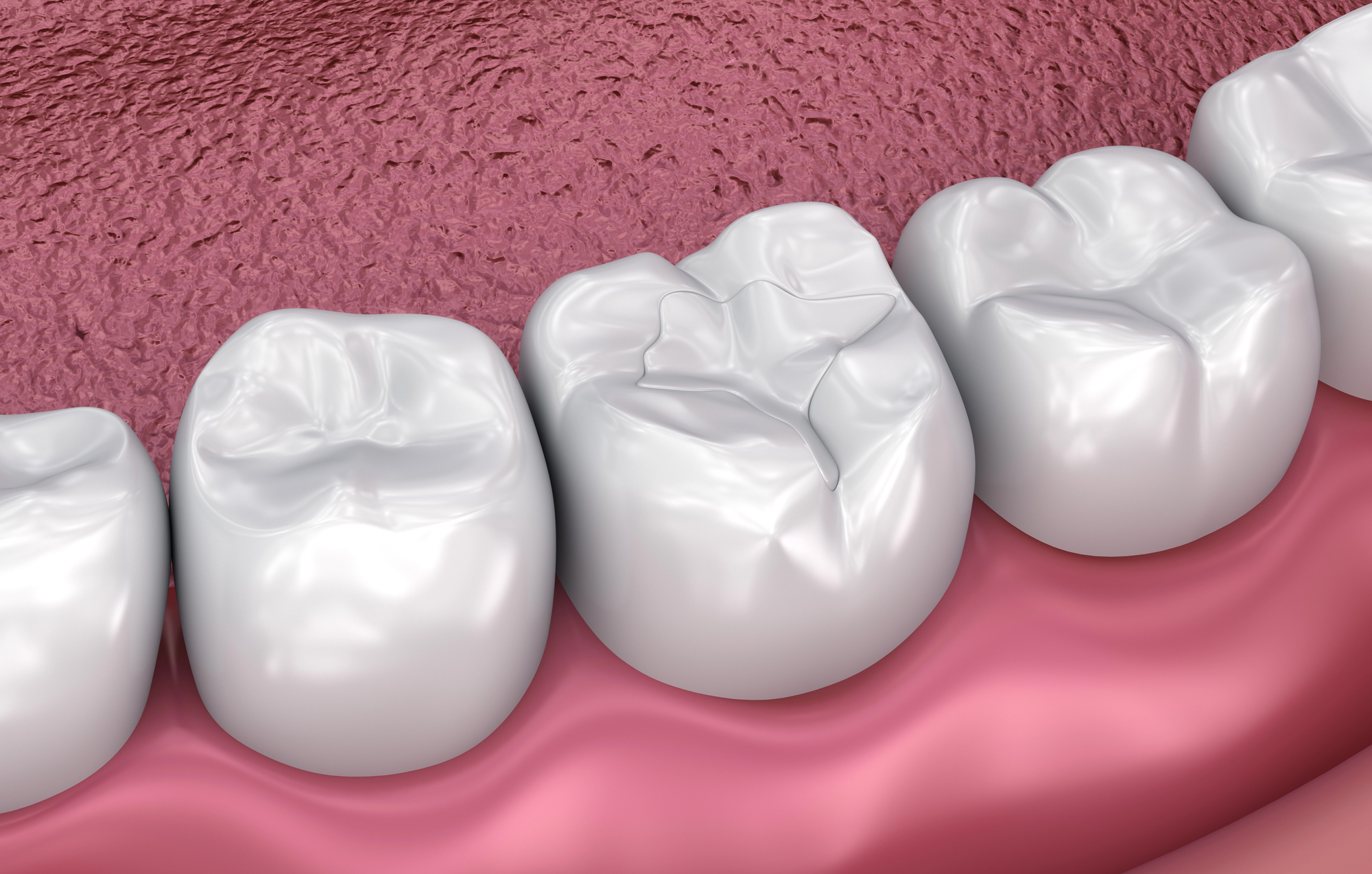
Most cavities don't announce themselves. There's no sudden jolt of pain, no obvious sign in the mirror, just a small pocket of decay quietly working its way through the enamel. Tooth fillings in Lansdale are one of the simplest, most common ways to stop decay in its tracks, and the earlier it's caught, the smaller and less expensive the fix tends to be.
Understanding how fillings work, what the procedure actually involves, and why timing matters so much can make a routine cavity feel a lot less intimidating.

What Happens When a Cavity Forms
Cavities develop when bacteria in plaque produce acids that slowly wear away at your enamel, creating a small hole that only gets deeper over time. Untreated decay can eventually reach the nerve inside the tooth, turning a simple filling into a root canal or worse.
Sugary and starchy foods tend to speed up the process, since they feed the bacteria that produce those acids.
Signs You Might Need a Filling
- Sensitivity to hot, cold, or sweet foods
- A visible dark spot or pit on a tooth
- Mild pain or discomfort when biting down
- A rough edge you can feel with your tongue
Not sure whether what you're feeling is a cavity or something else? It's always better to have a spot checked than to wait and see, since cavities never heal on their own once they start.
Common Filling Materials
Most fillings today are made from tooth-colored composite resin, a durable plastic-and-glass blend that bonds directly to the tooth and blends in with natural enamel. Composite typically requires less removal of healthy tooth structure and can be shaded to match surrounding teeth, though it may wear slightly faster than older materials in high-pressure areas.
Amalgam fillings — the traditional silver-colored mix of metals — are still used in some cases, particularly for back teeth that take on heavier chewing forces throughout the day. Amalgam is prized for its durability and lower cost, but its metallic color makes it more noticeable, which is why it's less commonly chosen for front teeth or visible areas of the smile.
The Filling Process
Getting a filling is usually a single-visit procedure. After numbing the area, your dentist removes the decayed portion of the tooth, cleans out the cavity, and shapes the filling material to match your bite.
If too much of the tooth has been lost to decay, a dental crown may be a better option than a filling alone. Most fillings take less than an hour from start to finish, and many patients are comfortable enough to return to work the same day.
How to Care for a New Filling
It's normal for a tooth to feel slightly sensitive for a few days after a filling, especially to temperature. Keeping up with brushing, flossing, and regular cleanings helps prevent new decay from forming around the edges of the filling or on other teeth nearby.
With good care, most fillings last for many years before they need to be replaced or touched up.

Schedule Tooth Fillings in Lansdale Before a Cavity Grows
The earlier a cavity is treated, the simpler the fix tends to be. Contact our office to schedule an exam, and we'll let you know whether a filling or another treatment is the right next step for your smile.